Source 2 ethyl 1 hexanol for plasticizer production and coatings
Find 2 ethyl 1 hexanol for plasticizer production across 30 available listings. Compare industrial grade specifications, packaging options, and supplier details to identify suitable secondary alcohol sources for your manufacturing needs.
Key considerations
Products List


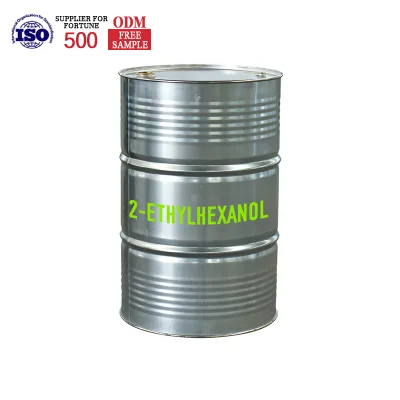


Comprehensive Sourcing Guide
2 Ethyl 1 Hexanol Sourcing Guide
Sourcing 2-ethyl-1-hexanol for plasticizer production requires a disciplined approach to verifying chemical identity, purity, and supply chain reliability. This secondary alcohol serves as a critical intermediate in the synthesis of dioctyl phthalate (DOP) and other plasticizers used extensively in polyvinyl chloride (PVC) manufacturing. Buyers must navigate a market characterized by varied industrial grades, diverse packaging standards, and fluctuating commercial terms. The following guide outlines the essential verification steps, technical parameters, and commercial considerations necessary to secure a consistent and compliant supply of this aromatic and saturated alcohol.
Procurement teams should prioritize suppliers who demonstrate transparency in their production standards and quality control protocols. The observed market data indicates a wide range in listed prices and minimum order quantities (MOQs), reflecting the heterogeneity of available inventory. From small-scale trial orders to bulk industrial shipments, the flexibility of suppliers varies significantly. Understanding these market signals helps buyers align their procurement strategy with their production volume needs, ensuring that they do not overcommit to large MOQs for initial qualification or underutilize capacity by ordering insufficient quantities for cost-effective logistics.
Product Scope and Observed Listing Signals
The product landscape for 2-ethyl-1-hexanol includes multiple designations such as 2-Ethylhexanol, 2-Ethyl-1-Hexanol, and specific model codes like EC-705 or MCHEM-038. Listings often describe the substance as a colorless liquid with a slight characteristic odor, classified under both aromatic and saturated alcohol categories depending on the supplier’s nomenclature. Buyers should recognize that these variations in naming do not necessarily indicate different chemical entities but rather reflect different marketing or classification systems used by various manufacturers. It is crucial to verify that the chemical structure corresponds to the primary alcohol variant (1°) with a monohydroxyl group, which is the standard form used in plasticizer synthesis.
Observed listing signals reveal a broad spectrum of commercial offerings, with prices ranging from approximately $0.90 to $3,500 per unit and MOQs spanning from 1 to 20,000 units. This disparity suggests that some listings may represent sample sizes, while others indicate bulk industrial contracts. The presence of customization options and OEM label acceptance indicates that many suppliers are willing to tailor packaging and branding to meet specific buyer requirements. However, buyers must be cautious when interpreting low-price listings, as they may correspond to lower purity grades or smaller packaging units. A thorough review of the product model and standard (e.g., 99% or 99.5% purity) is essential to ensure that the quoted price aligns with the desired quality tier for plasticizer production.
Technical Specifications to Verify
Technical verification begins with confirming the physical and chemical properties that define the quality of 2-ethyl-1-hexanol. Key parameters include a boiling point typically observed between 183°C and 186°C, a melting point around -76°C, and a density of approximately 0.833 g/cm³ at 20°C. The flash point is a critical safety parameter, often cited between 77°C and 81°C in closed cup tests, which directly impacts storage and transportation requirements. Buyers should request specific test reports to confirm these values, as deviations can indicate the presence of impurities or incorrect chemical composition, which could adversely affect the efficiency of plasticizer production processes.
Purity and solubility characteristics are equally important for ensuring consistent performance in downstream applications. The product is generally described as insoluble in water but soluble in organic solvents, with a refractive index ranging from 1.430 to 1.433. Molecular weight is consistently reported around 130.23 g/mol, and viscosity is noted at approximately 9.8 MPa·s. Buyers must verify that the supplied material meets the required purity standard, such as 99% or 99.5%, as lower grades may contain byproducts that interfere with the esterification process. Additionally, confirming the absence of water and other contaminants is vital, as even trace amounts can reduce the yield and quality of the final plasticizer product.
Compliance and Safety Documentation
Compliance with international standards and safety regulations is non-negotiable for the procurement of industrial chemicals. Buyers should ensure that suppliers provide relevant certifications, such as ISO or USP, which attest to the quality management systems and product standards adhered to during production. While specific certification status may vary by supplier, the presence of such documentation is a strong indicator of a supplier’s commitment to quality and regulatory compliance. Buyers must also verify that the product meets the grade standard specified, whether industrial grade or higher, to ensure it is suitable for use in plasticizer manufacturing without introducing hazardous impurities.
Safety data sheets (SDS) and transport documentation are essential for managing the risks associated with handling flammable liquids. The flash point and water solubility data provided by the supplier must be cross-referenced with local and international transport regulations to determine the appropriate packaging and shipping methods. Suppliers offering packaging in galvanized steel drums, plastic drums, IBC tanks, or ISO tanks must ensure that these containers are certified for the transport of hazardous materials. Buyers should also confirm that the supplier agrees to third-party inspections, which provide an independent verification of product quality and quantity before shipment, reducing the risk of receiving non-conforming goods.
Cost Drivers and Commercial Terms
Understanding the factors that influence the cost of 2-ethyl-1-hexanol is crucial for effective budgeting and negotiation. The factory price status, indicated by some suppliers, suggests that direct sourcing from manufacturers can offer cost advantages over trading companies. However, buyers must consider additional costs such as packaging, transportation, and insurance, which can significantly impact the total landed cost. The variability in MOQs and delivery times, ranging from 3-7 days for some suppliers, also affects inventory management and cash flow. Buyers should evaluate the total cost of ownership, including the potential costs of storage and handling, rather than focusing solely on the unit price.
Commercial terms such as payment methods, warranty policies, and return procedures should be clearly defined in the purchase agreement. Suppliers who accept OEM labels and offer customization may charge premium prices for these services, which should be weighed against the brand value they provide. Buyers should also inquire about the supplier’s policy on price fluctuations and contract duration, as raw material costs can be volatile. Establishing a long-term agreement with a reliable supplier can provide price stability and ensure a consistent supply, which is particularly important for continuous production processes in the plasticizer industry.
Supplier Qualification and Quality Control
Supplier qualification is a multi-step process that involves assessing the manufacturer’s production capabilities, quality control systems, and track record. Buyers should request detailed information about the supplier’s production facilities, including capacity, technology, and environmental compliance measures. The ability to provide third-party inspection reports and adhere to agreed-upon standards is a key indicator of a supplier’s reliability. Buyers should also verify the supplier’s history of delivering on time and meeting quality specifications, as any deviations can disrupt production schedules and compromise product quality.
Quality control measures should be integrated into the procurement process to ensure that every batch of 2-ethyl-1-hexanol meets the required specifications. Buyers should establish clear acceptance criteria based on the technical parameters discussed earlier, such as purity, boiling point, and density. Regular audits and on-site inspections can provide valuable insights into the supplier’s operational practices and help identify potential risks early. Additionally, buyers should maintain open communication with suppliers to address any quality issues promptly and to foster a collaborative relationship that supports continuous improvement.
Long-Term Procurement Checks
Long-term procurement success depends on the ability to monitor and adapt to changes in the market and supply chain. Buyers should regularly review supplier performance metrics, including delivery times, quality consistency, and responsiveness to issues. This ongoing evaluation helps identify potential risks and opportunities for improvement, allowing buyers to make informed decisions about their supply base. Maintaining a diversified supplier base can also mitigate the risk of supply disruptions, ensuring that production continues even if one supplier faces challenges.
As regulations and market conditions evolve, buyers must stay informed about changes that may impact the procurement of 2-ethyl-1-hexanol. This includes updates to safety standards, environmental regulations, and trade policies. Buyers should also explore opportunities for innovation and efficiency improvements, such as adopting new packaging solutions or negotiating more favorable commercial terms. By maintaining a proactive and strategic approach to procurement, buyers can secure a reliable and cost-effective supply of 2-ethyl-1-hexanol, supporting the long-term success of their plasticizer production operations.
FAQs
What is the boiling point of 2 ethyl 1 hexanol?
The boiling point ranges from 183 to 186 degrees Celsius. This physical property ensures the chemical remains stable during standard plasticizer production processes involving distillation or heating.
Can I customize the packaging for bulk orders?
Customization is available for packaging requirements. Suppliers offer options including drums, IBC tanks, and ISO tanks to meet specific logistical needs for industrial grade shipments.
What is the flash point of this chemical?
The flash point is approximately 77 to 81 degrees Celsius. This indicates the temperature at which the liquid gives off enough vapor to ignite, requiring careful handling during storage.
Which certifications do the manufacturers hold?
Manufacturers hold ISO and USP certifications for quality assurance. These standards verify that the product meets international safety and purity requirements for industrial applications.
How long is the delivery time for orders?
The standard delivery time is 3 to 7 days. This lead time applies to confirmed orders and allows for efficient supply chain management for urgent production schedules.
What is the water solubility of the product?
The product is insoluble in water but soluble in organic solvents. This characteristic is critical for its role as a solvent or intermediate in plasticizer synthesis.
Can I request third party inspection for quality?
Third party inspection is agreed upon by suppliers. This service ensures the product meets the specified 99.5% purity standard before shipment to the buyer.